General Yacht Information
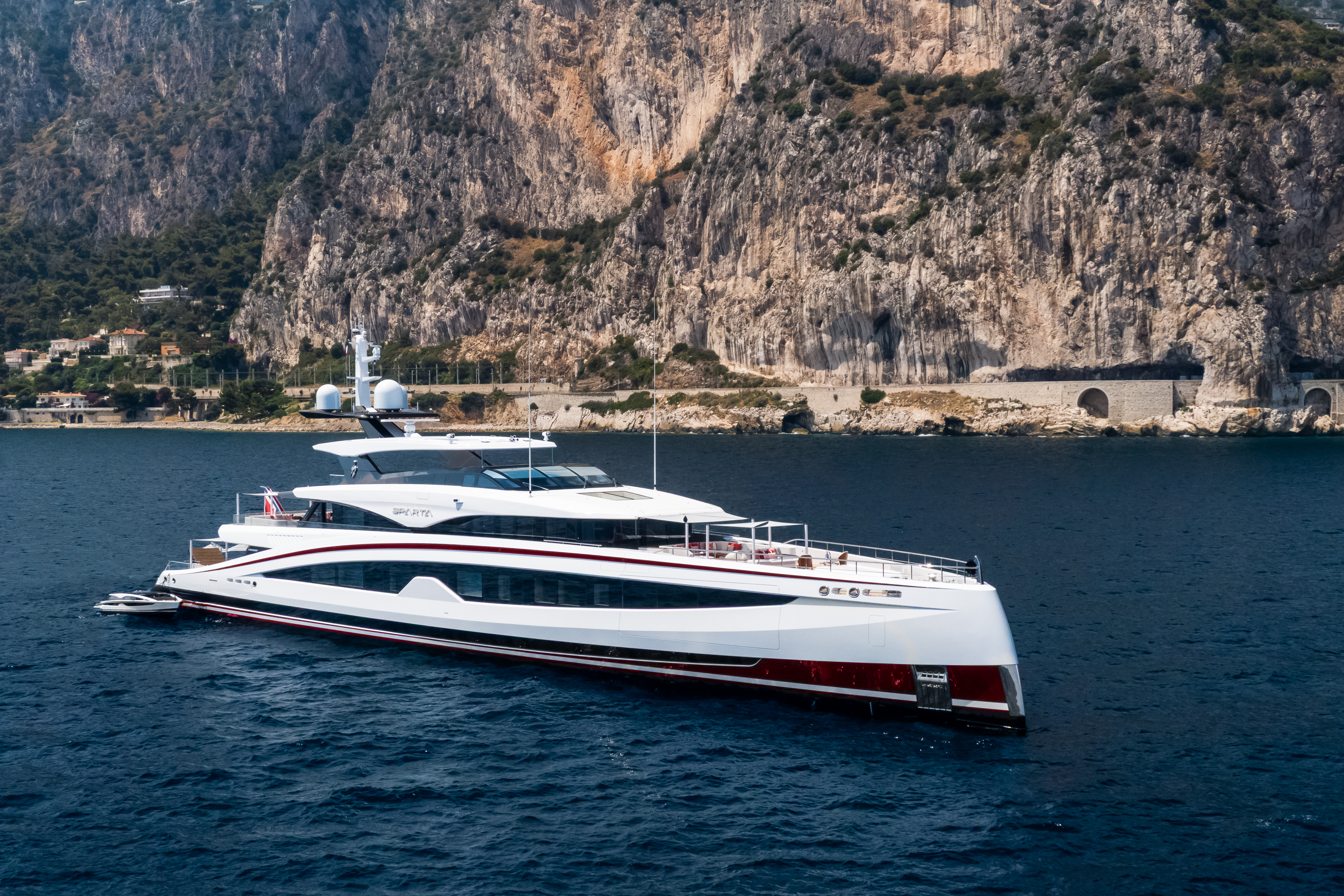
Where Yachts Are Built
The main centers of yacht building are in Europe: Italy, Germany, the Netherlands, and France. Shipyards in the United States, Turkey, and the UAE are also actively developing.
Each region is known for its strengths: Italians for design, Germans for engineering, and the Dutch for build quality. Large superyachts are typically custom-built at private shipyards to meet individual client specifications.
The choice of shipyard directly impacts both the cost and the prestige of the yacht. Arcon Yachts helps clients select the optimal shipyard and manage the construction process thanks to its experience and portfolio.
Where People Go Yachting
The most popular regions are the Mediterranean (France, Italy, Spain, Greece). The Caribbean, Maldives, UAE, and Seychelles are also in high demand.
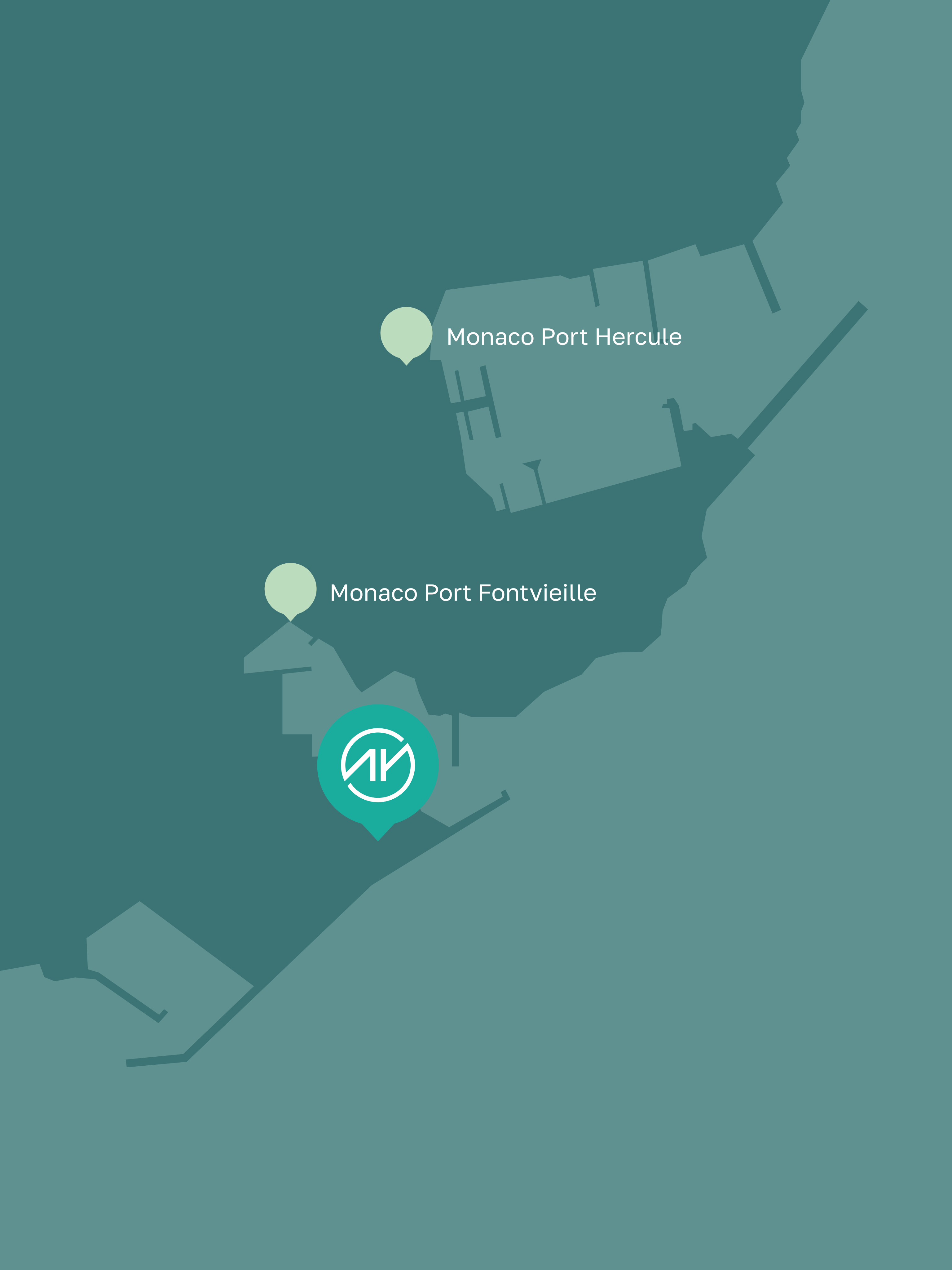
In Europe, yachting is especially developed along the French Riviera and in Monaco. Seasonality plays an important role: Europe in summer, tropical destinations in winter.
Destinations are chosen based on climate, infrastructure, and level of service. Brokers at Arcon Yachts help clients select the best routes and charter destinations.
What Yachts Are Made Of
Modern yachts are typically built from fiberglass, aluminum, and steel. Sports and racing models often use carbon fiber.
Composite materials provide a combination of strength and lightness. Interior finishes usually include wood, leather, glass, and premium fabrics.
Material choice affects speed, durability, and cost.
What Fuel Yachts Use
Most motor yachts run on diesel fuel. Some smaller models use gasoline engines.
Sailing yachts can move using wind power, with engines used only as auxiliary systems. Modern projects increasingly incorporate hybrid and electric systems.
Fuel type impacts both operating costs and environmental footprint. Arcon Yachts experts help owners choose the best option for their needs.
Types of Yachts
Yachts are divided into sailing, motor, and sailing-motor yachts. They can also be classified as leisure, sport, or expedition yachts.
There are catamarans (two hulls) and traditional monohull yachts. A separate category includes premium superyachts and megayachts.
Each type suits different use cases. The Arcon Yachts team helps clients navigate this variety.
Types of Motor Yachts
Motor yachts are divided into planing and displacement yachts.
- Planing yachts are fast but consume more fuel.
- Displacement yachts are slower but more efficient and stable.
There are also expedition and semi-displacement models. The choice depends on travel distance and comfort preferences.
Arcon Yachts brokers help clients choose the right hull type.
The Largest Yacht
The largest private yacht in the world is Azzam, about 180 meters long. It was built in Germany and belongs to the superyacht class.
The vessel features a powerful propulsion system and a luxurious interior. Such yachts are always built as fully custom projects.
Their cost can reach hundreds of millions of dollars. Only experienced brokers, including Arcon Yachts, handle projects of this scale.
What Is the "Best" Yacht?
The "best" yacht is the one that fits the owner's goals.
- For leisure — comfortable motor yachts
- For romance — sailing yachts
- For long journeys — expedition yachts
It's important to consider budget, crew, and region of use. There is no universal answer — everything is individual.
That's why many clients rely on professionals like Arcon Yachts.
Which Yachts Are More Stable?
Displacement yachts are considered the most stable. They handle waves and bad weather better.
Catamarans are also highly stable due to their dual hulls. Planing yachts are less stable but faster.
Hull design plays a key role.
Yacht Speed
The average speed of motor yachts is 15–25 knots. Fast models can exceed 30 knots.
Sailing yachts depend on wind conditions but can also reach high speeds. Racing yachts set impressive speed records.
Speed depends on hull design, engine, and weather conditions.
Fuel Consumption
Fuel consumption depends heavily on the yacht's size and type.
- Small motor yachts: ~60–140 liters per hour
- Planing yachts consume more than displacement yachts
- Sailing yachts require little to no fuel under sail
Fuel consumption is a major part of operating costs.
How to Choose a Yacht
Choosing a yacht starts with defining your goals: leisure, charter, travel, or investment.
Key factors include:
- Size
- Type (motor or sailing)
- Number of guests and crew
- Region and season of use
The budget should include not only purchase but also maintenance. Mistakes at this stage can be very costly.
That's why clients often rely on experienced brokers like Arcon Yachts.